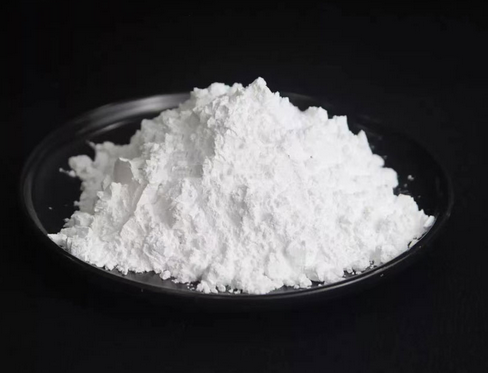
Calcined Alumina is a high-purity aluminum oxide (Al₂O₃) material produced by calcining aluminum hydroxide at high temperatures to remove chemically bound water. This controlled thermal process results in a stable crystalline structure with excellent hardness, chemical resistance, and thermal stability.
Due to its outstanding physical and chemical properties, calcined alumina is widely used in refractory, ceramic, abrasive, and chemical industries where high temperature resistance, wear resistance, and material purity are critical.
Key Properties of Calcined Alumina
High Hardness and Wear Resistance
Calcined alumina exhibits excellent hardness, making it highly resistant to abrasion and mechanical wear. This property makes it ideal for applications involving grinding, polishing, and surface treatment.
High Temperature Stability
With a high melting point and excellent thermal stability, calcined alumina maintains its strength and structure under extreme temperatures. It performs reliably in high-temperature furnaces and thermal processing equipment.
Excellent Chemical Resistance
Calcined alumina shows strong resistance to acids, alkalis, and corrosive environments. This chemical stability ensures long service life in harsh industrial conditions.
Controlled Particle Size and Purity
Calcined alumina is available in various particle sizes and purity levels, allowing precise control over product performance in different formulations and applications.
Applications of Calcined Alumina
Thanks to its versatility, calcined alumina is used across multiple industries, including:
Refractory Industry
Refractory bricks and castables: Enhances strength and high-temperature performance
Furnace linings: Suitable for steel, cement, and non-ferrous metal furnaces
Thermal insulation systems: Improves wear and thermal resistance
Ceramic Industry
Technical ceramics: Used in electronic and structural ceramic components
Glazes and bodies: Improves hardness and thermal stability
Advanced ceramics: Provides high purity and consistent quality
Abrasives and Polishing
Grinding wheels: Used as a key abrasive material
Polishing compounds: Delivers consistent surface finishing
Sandblasting media: Effective for surface cleaning and preparation
Chemical and Industrial Applications
Catalyst supports: High surface stability and chemical resistance
Chemical fillers: Improves mechanical and thermal properties
Electrical insulation: Suitable for high-temperature insulating components
Installation and Handling
Calcined alumina is typically supplied in powder or granular form. During handling and use:
Store in dry conditions to prevent moisture absorption
Avoid contamination to maintain chemical purity
Use appropriate dust control and personal protective equipment
Maintenance and Storage
Calcined alumina requires minimal maintenance. Proper storage in sealed packaging and dry environments ensures consistent performance and long shelf life.
Conclusion
Calcined alumina is a high-performance industrial material known for its hardness, thermal stability, and chemical resistance. Its wide application range across refractory, ceramic, abrasive, and chemical industries makes it an essential raw material for demanding industrial environments. Selecting high-quality calcined alumina helps improve product performance, durability, and process efficiency.
Frequently Asked Questions About Calcined Alumina
1. What is the difference between calcined alumina and tabular alumina?
Calcined alumina is produced by calcining aluminum hydroxide, while tabular alumina is sintered at higher temperatures to form large, dense crystals. Tabular alumina offers higher density, while calcined alumina provides finer particle size control.
2. Is calcined alumina suitable for high-temperature applications?
Yes. Calcined alumina has excellent thermal stability and is widely used in high-temperature refractory and ceramic applications.
3. Is calcined alumina chemically resistant?
Calcined alumina has strong resistance to most acids and alkalis, making it suitable for corrosive industrial environments.